ABOUT
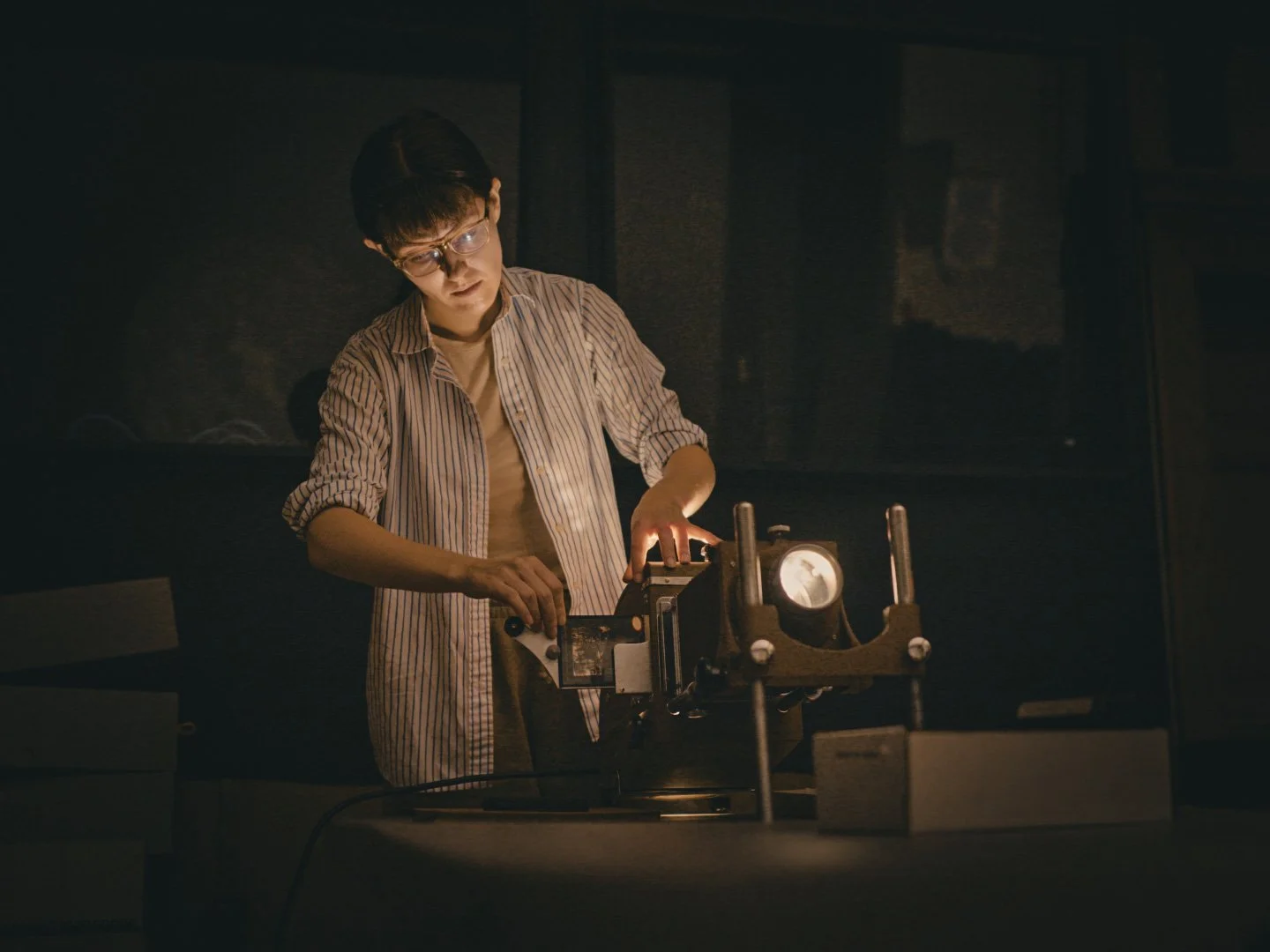
Paige Smith is an interdisciplinary artist working across moving-image, photography, installation, performance, and archival interventions. Her work examines how bodies are shaped by systems of power.
-
Paige Smith is an interdisciplinary artist whose work examines how bodies are shaped by place, institutional power, and historical memory. Working across moving-image, photography, installation, performance, and archival intervention, she investigates systems of containment, bodily regulation, and experiences of being othered through materially driven and self-reflexive processes.
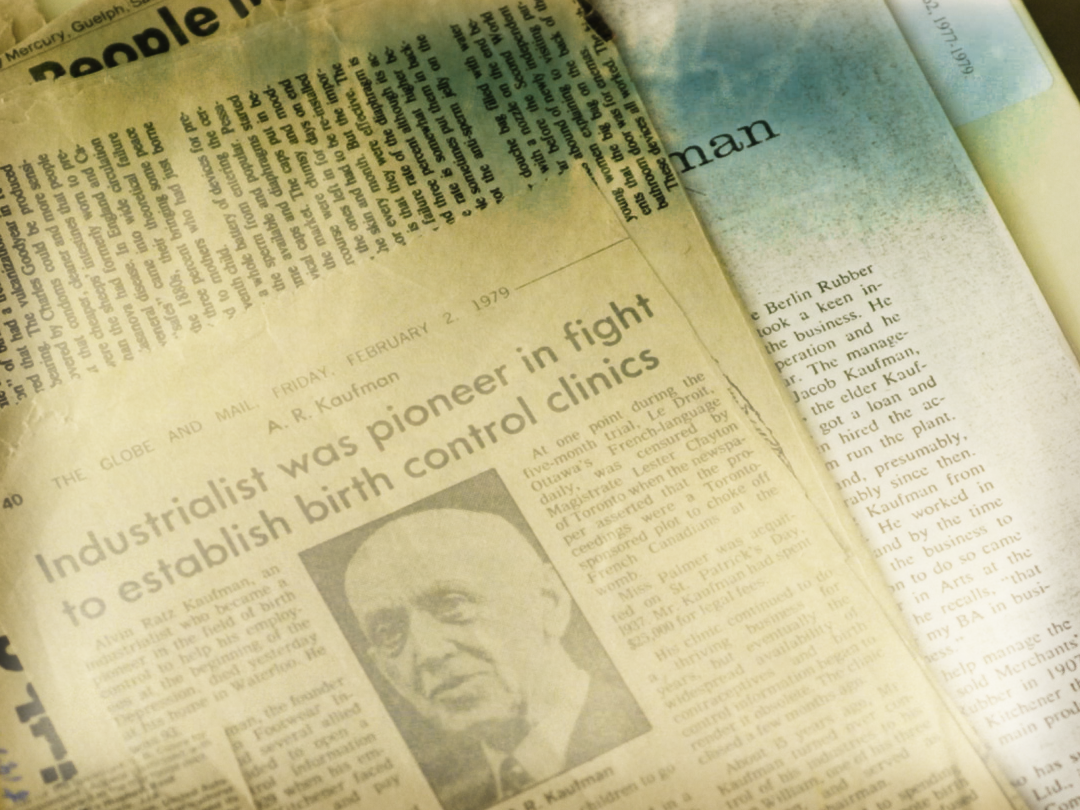
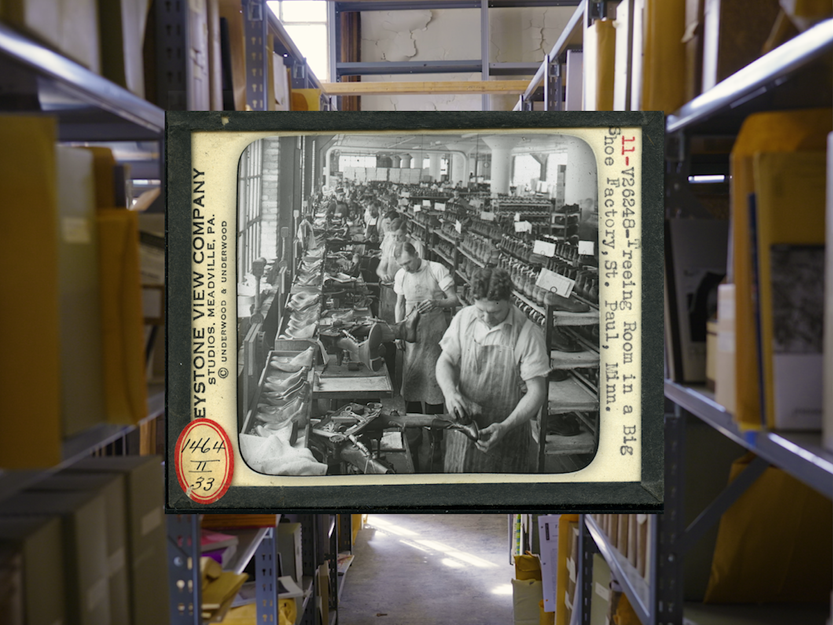
Her recent projects focus on the intertwined histories of labour, disability, sexuality, and eugenics in Kitchener-Waterloo, Ontario, combining archival research with installation and experimental documentary practices. Smith’s work has been exhibited in Canada, France, and the United States, including presentations with the University of Waterloo Art Gallery and the Vancouver International Film Festival.
Smith received her MFA (Studio Art) from the University of Waterloo, and BFA (Film) and Post Baccalaureate Diploma (Contemporary Art) from Simon Fraser University. Her work has been supported by the Social Science and Humanities Research Council of Canada, the BC Arts Council, and the Region of Waterloo Arts Fund.
In addition to her art practice, Smith also instructs studio art courses and workshops in visual art and filmmaking production. She is a sessional lecturer with the University of Waterloo’s Fine Arts Department and University of Toronto Mississauga’s Institute of Communication, Culture, Information and Technology. Her teaching also includes workshops and community-engagement programs within the arts and culture sectors, including program design, facilitation, and coordination for Vancouver’s Contemporary Art Gallery, VIVO Media Arts Centre, SFU’s Vancity Office of Community Engagement, and the University of Waterloo’s Student Art Innovation Lab.
Paige lives and works in Waterloo and Mississauga, Ontario on the traditional territories of the Attawandaron, Anishinaabe, Haudenosaunee, Huron-Wendat, Seneca, and the Mississaugas of the Credit peoples. She was born and raised in Vancouver, British Columbia on the unceded territories of the Musqueam, Squamish, and Tsleil-Waututh nations.
-
My work moves between archives, bodies, industrial materials, and moving-images to explore how people are shaped by systems that attempt to classify and contain them. I am deeply invested in how our various external contexts can orient or control our behaviours and opinions. My aim is to activate my viewers and inspire them to notice not just what I record, but how different power structures inform what I capture and frame.
In my early work, I took experimental approaches to examining how sexual expression and identity are categorized and created through various apparatuses of power. Specifically, how queer women’s understandings of our sexuality are intercepted by porn created for a heterosexual male audience that then informs our gestures and behaviours.
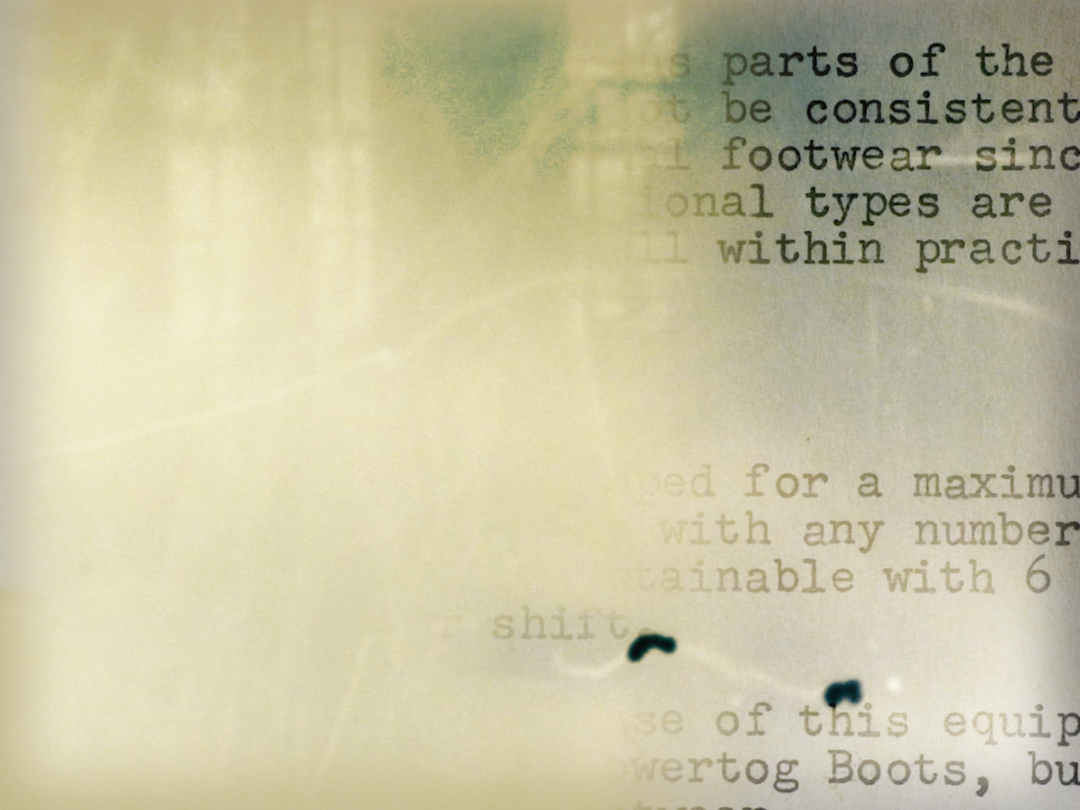
Later, I honed my practice through place-based artmaking, where explicit references and imagery from the subject environment became integral to the expression and experience of my work. Here, my creative process evolved, and I began gathering fragments connected to the chosen environments, such as print ephemera, maps, historical photography, and field recordings, and layering them into my work. This allows me to weave historical, cartographical, and personal contexts together, which in turns allows for a richer understanding of how an environment is interwoven with our bodies.
Now, I am bringing disability into frame with my research-creation work surrounding the history of eugenic practices that took place in Kitchener-Waterloo, Ontario between 1929 and 1976. This visual ongoing body of work focuses on a history of ableism and classism, particularly the coerced sterilization of people deemed ‘feebleminded’.
My work continues to critique apparatuses of power that aim to control people’s sexuality through authentic person- and place-centric art- and film-making. As a queer and disabled artist, this work is deeply personal and the more time I have spent researching this history, the more I have thought about my own experiences of being categorized, diagnosed, and othered. It is vital to me that the voices of the people who were labeled ‘feebleminded’ reverberate outside the walls of the archive and be heard by audiences around the world.
-
Acknowledgement
Paige Smith acknowledges and is grateful for the support of the Social Sciences and Humanities Research Council of Canada, the British Columbia Arts Council, and the Region of Waterloo Arts Fund.